









Agro-Processing Units
Agro-Processing Units
Business Model Description
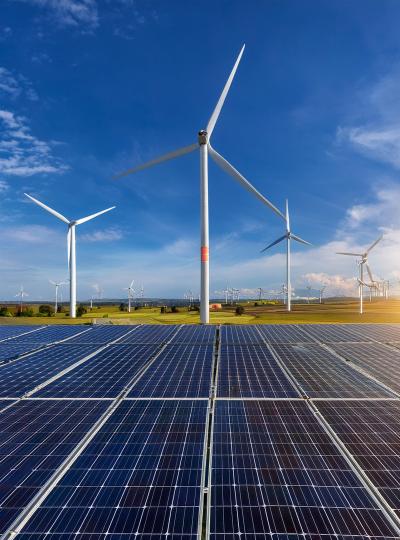
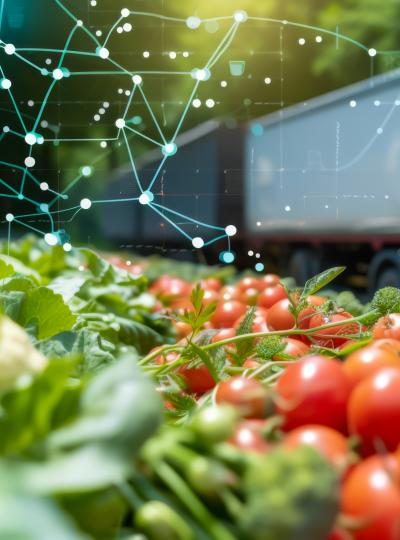
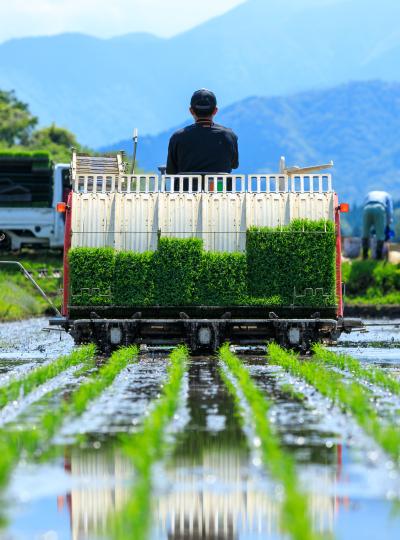
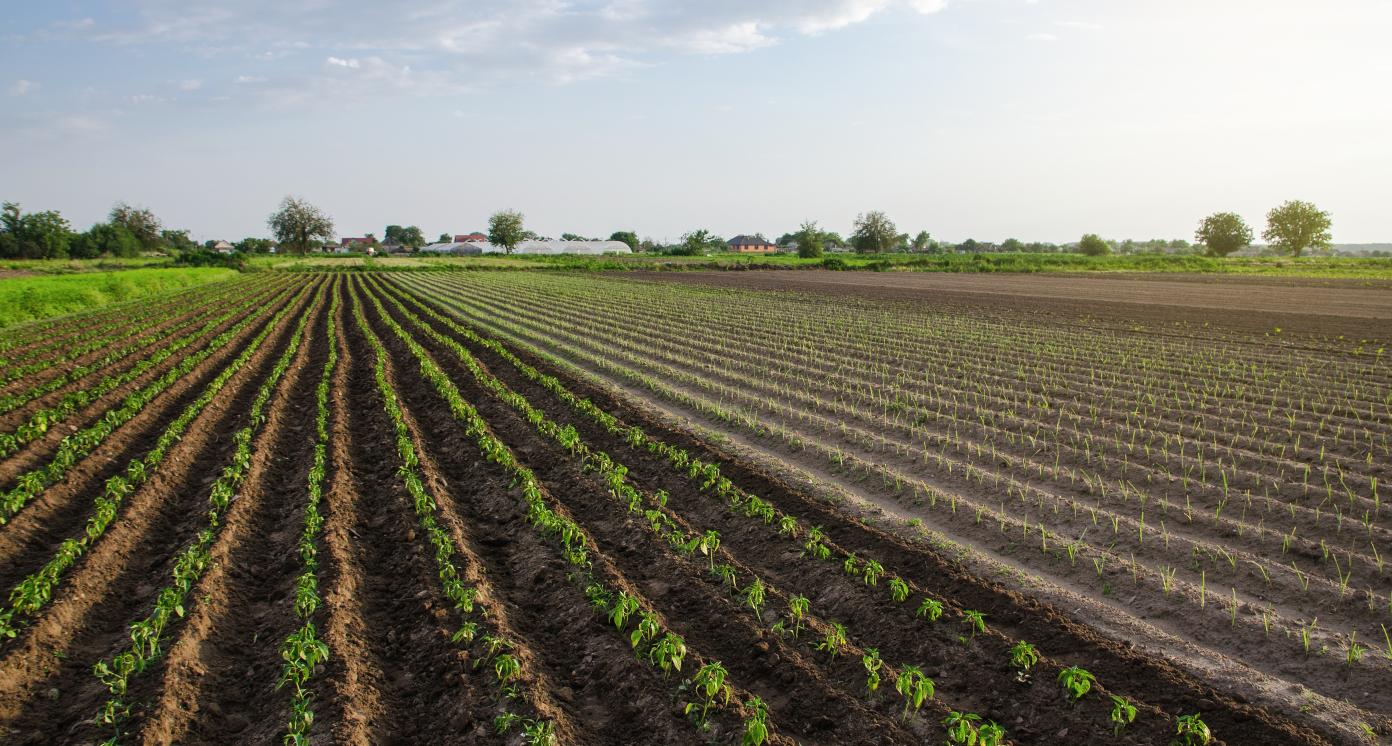
Invest in processing high value agricultural goods such as cotton, shea, cashew, baobab, rice, and mango sourced from smallholder farmers and cooperatives. Operators provide inputs like seeds, tools, and utilities to ensure steady supply, with potential for ECOCERT certification to increase value. Products include food, oils, textiles, and cosmetics branded “Made in Mali.” Powered by renewable energy, units sell domestically and export to West Africa, Asia, Europe, and North America. This model may qualify for support from GAFSP and the Subnational Climate Fund.
Expected Impact
Increase the market integration of smallholder farmers, reduce the reliance on imports, and improve local value chains and food security.
How is this information gathered?
Investment opportunities with potential to contribute to sustainable development are based on country-level SDG Investor Maps.
Disclaimer
UNDP, the Private Finance for the SDGs, and their affiliates (collectively “UNDP”) do not seek or solicit investment for programmes, projects, or opportunities described on this site (collectively “Programmes”) or any other Programmes, and nothing on this page should constitute a solicitation for investment. The actors listed on this site are not partners of UNDP, and their inclusion should not be construed as an endorsement or recommendation by UNDP for any relationship or investment.
The descriptions on this page are provided for informational purposes only. Only companies and enterprises that appear under the case study tab have been validated and vetted through UNDP programmes such as the Growth Stage Impact Ventures (GSIV), Business Call to Action (BCtA), or through other UN agencies. Even then, under no circumstances should their appearance on this website be construed as an endorsement for any relationship or investment. UNDP assumes no liability for investment losses directly or indirectly resulting from recommendations made, implied, or inferred by its research. Likewise, UNDP assumes no claim to investment gains directly or indirectly resulting from trading profits, investment management, or advisory fees obtained by following investment recommendations made, implied, or inferred by its research.
Investment involves risk, and all investments should be made with the supervision of a professional investment manager or advisor. The materials on the website are not an offer to sell or a solicitation of an offer to buy any investment, security, or commodity, nor shall any security be offered or sold to any person, in any jurisdiction in which such offer would be unlawful under the securities laws of such jurisdiction.
Country & Regions
- Mali: Sikasso
- Mali: Koulikoro
- Mali: Kayes
- Mali: Ségou
- Mali: Mopti
Sector Classification
Food and Beverage
Development need
In 2024, 13.2 million Malians experienced insufficient food consumption, with 1.4 million facing severe food insecurity. By 2025, 2.9 million people, including refugees and internally displaced persons, will require food security assistance. Climate change and a population expected to double by 2045 will further strain food supplies (2, 8, 12).
Policy priority
Politique Nationale de la Sécurité Alimentaire et Nutritionnelle, 2019 targets: 1) sustainable food availability to meet national demand by 2030; 2) enhanced capacity to prevent, mitigate, and reduce climate risks; 3) improved food accessibility; and 4) better nutritional status for the population (14).
Gender inequalities and marginalization issues
The 2025 INFORM Index, a global risk assessment for humanitarian crises and disasters, ranks Mali as the 14th most vulnerable country to humanitarian crises and natural disasters. As of September 2024, 378,500 people were internally displaced—57% women and girls, and 66% children—mainly due to conflict and flooding. These pressures severely impact food security, underscoring the urgent need for agricultural investment to support vulnerable populations (8, 9, 10, 11).
Investment opportunities introduction
Mali's economy relies heavily on small-scale subsistence and family agriculture, which contributes 35.1% to GDP growth. Investing in climate-resilient technologies, modernization, and market integration offers high returns and development impact, boosting food availability, value-added products, and income (18).
Key bottlenecks introduction
Transportation costs, limited road networks, lack of cold storage, and security risks pose major barriers for investors, restricting supply chain development and weakening food system resilience (16).
Food and Agriculture
Development need
Malian farmers face limited access to quality inputs and infrastructure, leading to just 4.5% of arable land being cultivated and agro-food processing contributing only 6.1% of GDP. Climate change is expected to reduce agricultural productivity by over 40% by 2040, threatening the livelihoods of 80% of Malians, or about 15.3 million people (3, 4, 5, 6, 7, 20).
Policy priority
Plan National d’Investissement dans le Secteur Agricole, 2015-2025 aims to position Mali as one of West Africa's top agricultural producers and an agro-industrial powerhouse, leveraging its agricultural raw materials. This will be achieved through modernizing production systems while preserving the environment and natural resources (15).
Gender inequalities and marginalization issues
In Mali, only 3.7% of women own agricultural land, compared to 44.8% of men, despite women making up 60% of the agricultural workforce and contributing to 80% of food production. On average, women own 0.6 hectares of land, 1.1 hectares less than men, limiting their capacity to generate income (1, 19).
Investment opportunities introduction
Mali has an annual deficit of over USD 648.4 million in agro-food, but it ranks among the top 4 cotton-producing countries in Africa, has the second largest livestock in West Africa, and produces more than 10 million tons of cereals. This offers the potential for the development of a sound agro-processing industry (35, 36, 37, 42).
Key bottlenecks introduction
High competition from imported goods and limited technology adoption by smallholder farmers may constrain the development and scaling up of local private sector-led initiatives in Mali's food and agriculture sector, slowing growth and innovation (17).
Processed Foods
Pipeline Opportunity
Agro-Processing Units
Invest in processing high value agricultural goods such as cotton, shea, cashew, baobab, rice, and mango sourced from smallholder farmers and cooperatives. Operators provide inputs like seeds, tools, and utilities to ensure steady supply, with potential for ECOCERT certification to increase value. Products include food, oils, textiles, and cosmetics branded “Made in Mali.” Powered by renewable energy, units sell domestically and export to West Africa, Asia, Europe, and North America. This model may qualify for support from GAFSP and the Subnational Climate Fund.
Business Case
Market Size and Environment
USD 100 million - USD 1 billion
97% of seed cotton remains unprocessed, Mali produces 1.3M liters of milk and 2.3M tons of surplus dry cereals.
Mali ranks among the top 4 cotton-producing countries in Africa, with 690,000 tons produced during the 2023/2024 season. The country also has the second largest livestock in West Africa, with an estimated production of 1.3 million liters of milk in 2023. Finally, Mali has an excess in dry cereals, with a surplus evaluated at 2.3 million for the 2020/2021 season (31, 36, 37, 42).
Mali transforms only 3% of the seed cotton produced locally and agro processing represents only 3.5% of the GDP. The country therefore imports more than USD 648.4 million on average in agro-food annually to cover its production deficit (31, 35).
Indicative Return
10% - 15%
The financial analysis of a benchmark project on special agro-industrial processing zones in Koulikoro and semi-urban Bamako, Mali, indicates an IRR of 25.21%. A conservative range of 10% - 15% for the IRR should be appropriate for individual agro-processing companies in the ecosystem (22).
A study by Food and Agriculture Organization for the 2023 Hand in Hand Investment Forum indicates an IRR of 25.6% for 12 medium-size tomato processing units in Koulikoro agropole, valued at USD 6.5 million (30).
Investment Timeframe
Medium Term (5–10 years)
Consultations with cash crop processing operators in Mali, in January 2025, indicate that an initial investment of USD 8 million generate positive returns within 5 years. Based on the various operation costs of processing factories, a conservative range of 5-10 years should be appropriate (24).
Ticket Size
USD 1 million - USD 10 million
Market Risks & Scale Obstacles
Capital - CapEx Intensive
Market - High Level of Competition
Impact Case
Sustainable Development Need
Less than 3% of agricultural products were processed in 2020, and the value added by food processing industries fell from 6.7% in 2018 to 5.7% in 2019. This supply deficit results in average annual agrifood imports exceeding USD 648.8 million (20, 35).
Despite producing 1.3 million liters of milk, local dairy companies rely on imported powdered milk for production. This limits market integration for livestock breeders, who depend on informal sales or operate through minimally equipped, non-modern mini dairies (37).
Calf mortality reaches 17% in the first year and 5% during the perinatal period, largely due to pneumonia, digestive diseases, and parasites. In Gao and Tombouctou, risks are compounded by feed shortages and feed price inflation of up to 28% between October and November 2024 (23, 52).
Gender & Marginalisation
In Mali, 72.2% of the poor are farmers, 87.8% of whom are independent. Limited access to diversified markets—especially in rural areas—restricts their ability to generate stable and sufficient income, leaving them vulnerable to the poverty trap (33).
46.49% of Mali's productive units were concentrated in Bamako in 2021, limiting the expansion potential in other regions (53).
The cost of nutritious food is only USD 1.84 per household per day in Mali, but 1 in 2 households (49% or 13 million people) cannot afford it. This cost is twice higher in conflict-afflicted and semi-arid Menaka, Kidal, and Mopti, where the road network is also limited (16).
Expected Development Outcome
The local processing of agricultural products increases the value added generated by the sector, improves the food systems' resilience by reducing the reliance on imports and the vulnerability to supply shocks, and improves food affordability in local markets.
The processing of raw milk improves the market integration of livestock breeders, increasing their revenue, nutrition, food security, and poverty status.
The local production of animal feed and feed complements ensures a constant access to high-quality inputs. This reduces the cost of access, and improves animal quality, productivity, health, and life expectancy.
Gender & Marginalisation
Partnerships between smallholder farmers or farmers' associations and agro processing companies diversify the source of revenue of the former, increasing their resilience to limited local demand and to income shocks.
The establishment of agro processing units in regions other than Bamako fosters the development of local economies, generating multiplier effects on innovation, poverty, income, employment, and inequality.
Primary SDGs addressed
9.2.1 Manufacturing value added as a proportion of GDP and per capita
9.2.2 Manufacturing employment as a proportion of total employment
The average processing rate of agricultural products was less than 3% in 2020 (35).
10% in 2023; 10% among men and 11% among women (40).
8.5.2 Unemployment rate, by sex, age and persons with disabilities
5.4% in 2023; 4.2% among men, 7.1% among women, 14.4% among youth aged 15-24, 6.1% among youth aged 25-34, 2.3 among those aged 35-44, and 4% in rural areas (33).
Matrix of Agenda 2063 results at the national level targets 1) a national unemployment rate lower than 6%, 2) a reduction of youth unemployment (aged 15-35) to less than 6%, 3) and a total elimination of unemployment in rural areas by 2063 (33).
2.1.1 Prevalence of undernourishment
2.1.2 Prevalence of moderate or severe food insecurity in the population, based on the Food Insecurity Experience Scale (FIES)
9.6% in 2021; 5.8% in urban areas and 8.8% in rural areas (43).
19.9% in 2021; 14.4% in urban areas and 21.5% in rural areas (43).
Plan National d’Investissement dans le Secteur Agricole, 2015-2025 targets nutritional security for all Malians by 2025 (15).
Plan National d’Investissement dans le Secteur Agricole, 2015-2025 targets food security for all Malians by 2025 (15).
Secondary SDGs addressed
Directly impacted stakeholders
People
Gender inequality and/or marginalization
Planet
Corporates
Public sector
Indirectly impacted stakeholders
People
Gender inequality and/or marginalization
Planet
Corporates
Outcome Risks
If not monitored adequately, operations of agro-industrial units may cause water pollution from liquid waste, soil fertility loss from chemical discharges, and solid waste pollution (22).
If not regulated adequately, the construction of agro processing units may lead to social tensions from land disputes and potential involuntary economic resettlement (22).
If the partnerships with smallholder farmers lead them to produce exclusively cash crops over subsistence crop, the pressure on food security could increase.
Impact Risks
If the in-kind support to smallholder farmers is not effectively distributed or utilized, they may struggle to meet production targets, limiting the efficiency of this business model.
Climatic variations could disrupt the agricultural production and yields, limiting the expected impacts on food security.
Insecurity in major regions with high cereal production such as Mopti, Gao, Ségou and Koulikoro could disrupt the supply chain by reducing the effective cultivated area (41).
Impact Classification
What
Local agro processing improves the market integration of smallholder farmers, reduces the reliance on imports, improves local value chains and food security.
Who
Smallholder farmers, livestock breeders, women, unemployed people, youth at risk of clandestine emigration, and solar PV, transportation and agro-based downstream companies are impacted.
Risk
Inadequate distribution and utilization of farming inputs, climatic variations, and insecurity could limit the expected impacts of this business model.
Contribution
Local agro processing units increase the domestic supply of quality agrifood products, which are otherwise imported.
How Much
Local agro processing companies could compensate the agrifood deficit, which stands at more than USD 648.8 million each year (31).
Impact Thesis
Increase the market integration of smallholder farmers, reduce the reliance on imports, and improve local value chains and food security.
Enabling Environment
Policy Environment
Plan d'Action de la Réfondation de l'État, 2022-2026: prioritizes the creation of processing units to organize production chains and develop well-connected, interdependent and internationally competitive value chains (44).
Cadre Stratégique pour la Relance Économique et le Développement Durable, 2019-2023: outlines the development of agropoles to stimulate economic growth and employment in sector of harvested products (shea butter, gum arabic, etc.), fruit and vegetables, animal products, and cereals (51).
Phase 2 of Programme de Développement de l’Irrigation dans le Bassin du Bani et à Sélingué: builds the foundation for a strong and competitive agro-industrial sector in Mali by developing over 34,000 hectares of irrigated farmland in the Maninkoura, Moyen Bani and Djenné zones, promoting the production of rice and vegetables (38, 39).
Politique Nationale de Sécurité Alimentaire et Nutritionnelle, 2019: outlines government's support to improve food availability from the livestock sector through a better exploitation of the dairy potential (14).
Politique Nationale de Développement de l'Élevage, 2004: outlines the priority investments to increase the livestock value added, including the improvement of local milk collection and preservation facilities (51).
Financial Environment
Financial incentives: Investisseurs & Partenaires and Zira Capital provide up to USD 324,585 in seed funding to small-scale agro-processing companies in Mali. ABC Fund provides up to USD 865,561 in working capital loans (47, 48).
Financial incentives: International Finance Corporation (IFC) and African Development Bank provide up to USD 16 million in senior secured loans for the expansion of agro processors in Mali. IFC financing is under the Global Agriculture and Food Security Program's Private Sector Window (25,28,32,46).
Fiscal incentives: Investment projects with a capital greater than USD 1.6 million benefit from tax exemptions during the first 8 years. Companies that source at least 60% of their raw materials locally are subject to a 25%-reduction on profit and income taxes for a further three (3) years (49).
Other incentives: Subnational Climate Fund and International Finance Corporation provide technical assistance to mid-size sustainable agrifood processing projects in Mali (32).
Regulatory Environment
Law No. 2012-016 on Investment Code, 2012: grants equal rights to foreign and local investors and offers tax incentives for investments (49).
Law No. 06-045/AN-RM on agricultural orientation, 2006: promotes the development of local production units for livestock and poultry feed (50).
Marketplace Participants
Private Sector
Naturex, Sahel Industries, Toguna, Sukula, Zabban Holding, Comatex, Modern Mill of Mali M3, Aliment Bétail du Mali, Grands Moulins du Mali, Cediam, Mali Shi, Groupe Diakhate, Karit'Or, Investisseurs & Partenaires, Zira Capital, ABC Fund, Fonds de Garantie pour le Secteur Privé.
Government
Ministère de l'Industrie et du Commerce, Direction Nationale des Productions et Industries Animales.
Multilaterals
International Finance Corporation, African Development Bank, Subnational Climate Fund.
Non-Profit
Fédération nationale des producteurs de lait, Union nationale des coopératives de planteurs et maraîchers du Mali, Coordination nationale des organisations paysannes du Mali.
Target Locations

Mali: Sikasso
Mali: Koulikoro
Mali: Kayes
Mali: Ségou
Mali: Mopti
References
- (1) United Nations. 2023. Mali : Analyse Commune de Pays 2023. Trajectoire des ODD, défis critiques du développement, de la gouvernance, la paix et principaux enjeux stratégiques actuels et futurs pour le SNU au Mali. https://minio.uninfo.org/uninfo-production-main/9564d9fd-11ad-4294-9918-210839c7d7f0_ACPMali2023RapportPrrovisoireMK19012024.pdf
- (2) International Monetary Fund. 2023. Mali Selected Issues. https://www.imf.org/en/Publications/CR/Issues/2018/05/31/Mali-Selected-Issues-45922
- (3) Ministère pour le Développement Rural. 2014. Programme National d'Investissement dans le Secteur Agricole, 2015-2025 (PNISA). https://faolex.fao.org/docs/pdf/mli198371.pdf
- (4) Gouvernement du Mali. 2023. Contributions du Mali au Sommet des Objectifs de Développement Durable (ODD) du 18 au 19 Septembre 2023 à New York. 2023_MALI-CONTRIBUTION AU SOMMET SUR LES ODD.pdf
- (5) Ortiz-Bobea, A., Ault, T. R., Carrillo, C. M., Chambers, R. G., and Lobell, D. B. 2021. Anthropogenic climate change has slowed global agricultural productivity growth. https://par.nsf.gov/servlets/purl/10342388
- (7) Food and Agriculture Organization. N/A. Programme de Gestion intégrée de la production et des déprédateurs en Afrique. https://www.fao.org/agriculture/ippm/projects/mali/fr/
- (8) United Nations Office for the Coordination of Humanitarian Affairs. 2025. Mali : Besoins humanitaires et plan de réponse 2025 (janvier 2025). https://reliefweb.int/report/mali/mali-besoins-humanitaires-et-plan-de-reponse-2025-janvier-2025
- (9) United Nations High Commission for Refugees. 2025. Refugee Data Finder. https://www.unhcr.org/refugee-statistics/
- (10) European Commission. 2025. DRMKC - INFORM. https://drmkc.jrc.ec.europa.eu/inform-index/INFORM-Risk/Country-Risk-Profile
- (11) REACH Initiative. 2024. Mali : Aperçu des besoins multisectoriels des ménages - Evaluation multisectorielle des besoins (MSNA) 24 Septembre 2024. https://reliefweb.int/report/mali/mali-apercu-des-besoins-multisectoriels-des-menages-evaluation-multisectorielle-des-besoins-msna-24-septembre-2024
- (12) World Food Programme. 2024. HungerMap: Western Africa insights and key trends. https://static.hungermapdata.org/insight-reports/latest/rbd-summary.pdf
- (13) World Intellectual Property Organization. 2025. Mali's innovation system. https://www.wipo.int/gii-ranking/en/mali/section/innovation-trends
- (14) Commissariat à la Sécurité Alimentaire. 2019. Politique Nationale de Sécurité Alimentaire et Nutritionnelle (PolNSAN). https://faolex.fao.org/docs/pdf/mli211854.pdf
- (15) Minsitère du Développement Rural. 2014. Plan National d'Investissement dans le Secteur Agricole (PNISA) 2015-2025. https://faolex.fao.org/docs/pdf/mli198371.pdf
- (16) World Food Programme. 2021. Fill the Nutrient Gap - Mali. https://fscluster.org/sites/default/files/documents/fill_the_nutrient_gap_mali_mai_2021.pdf
- (17) Feed the Future. 2020. Politique et réglementation semencières au Mali : L’accès des petits producteurs aux semences améliorées. https://www.canr.msu.edu/fsg/publications/peer-reviewed-publications-documents/PB_120F.pdf
- (18) World Bank. 2023. Agriculture, forestry, and fishing, value added (% of GDP) - Mali. https://data.worldbank.org/indicator/NV.AGR.TOTL.ZS?locations=ML&view=chart
- (19) Food and Agriculture Organization. 2018. Profil national genre des secteurs de l’agriculture et du développement rural. https://openknowledge.fao.org/server/api/core/bitstreams/694178d5-d5f6-4ac1-ad93-19e1334a0982/content
- (20) Institut National de la Statistique du Mali. 2021. Comptes nationaux définitifs de 2019 selon le système de comptabilité nationale (SN 2008). https://www.instat-mali.org/laravel-filemanager/files/shares/pub/note-analyse-comptnat2019_pub.pdf
- (21) Ministère de l'Économie et des Finances and Cellule Technique CSLP. 2021. Rapport 2020 de mise en oeuvre du cadre stratégique pour la relance économique et le développement durable (CREDD 2019-2023) et des objectifs de développement durable (ODD). https://www.maliapd.org/wp-content/uploads/2021/11/Rapport-2020-de-mise-en-oeuvre-du-CREDD-2019-2023-V_Juillet2020.pdf
- (22) African Development Bank. 2019. Development Programme for the Special Agro-Industrial Processing Zone of Koulikoro and Semi-Urban Bamako Regions. https://www.afdb.org/sites/default/files/documents/projects-and-operations/mali_-_development_programme_for_the_special_agroindustrial_processing_zone_of_koulikoro_and_semiurban_bamako_regions_pdzsta-kb_-_appraisal_report.pdf "23) Committee for Economic and Commercial Cooperation of the Organization of Islamic Cooperation (COMCEC) Coordination Office. 2016. Reducing On-Farm Food Losses In the OIC Member Countries. https://sbb.gov.tr/wp-content/uploads/2018/11/Reducing_On-Farm_Food_Losses_in_the_OIC_Member_Countires.pdf"
- (24) UNDP SDG Financing in Mali project team consultations with agro-processing operators in January 2025.
- (25) International Finance Corporation. 2017. CEDIAM. https://disclosures.ifc.org/project-detail/SII/37932/cediam
- (26) Subnational Climate Fund. N/A. Senegal & Mali: redeveloping an ancient grain. https://www.subnational.finance/projet/yolele-fonio/
- (27) International Finance Corporation. 2021. Malishi. https://disclosures.ifc.org/project-detail/AS/604046/malishi
- (28) International Finance Corporation. 2019. FCS RE MALI SHI. https://disclosures.ifc.org/project-detail/SII/41588/fcs-re-mali-shi
- (29) Mécanisme de financement pour l’envoi de fonds - Fonds international de développement agricole (MFEP/FIDA). 2022. Pratiques et préférences d’investissements de la diaspora malienne dans son pays d’origine. https://www.ifad.org/documents/48415603/49776179/mali-diaspora-investments_f.pdf/3239faeb-0d4a-e14d-dad6-ef47bdda05ce?t=1726642433461
- (30) Food and Agriculture Organization. 2023. Forum d’investissement| Rome, Italie | 17-19 octobre 2023. https://www.fao.org/docs/handinhandlibraries/countries/mali/forum-d'investissement_mali_octobre-2023_finale.pdf?sfvrsn=7b36ecb8_1
- (31) African Development Bank. 2021. Mali - Country Strategy Paper 2021-2025. https://www.afdb.org/en/documents/mali-country-strategy-paper-2021-2025
- (32) African Development Bank. 2020. The Modern Mill of Mali curbs regional food insecurity. https://www.afdb.org/en/news-and-events/multimedia/video/modern-mill-mali-curbs-regional-food-insecurity-36823
- (33) Institut National de la Statistique. 2023. Consommation, pauvreté et bien-être des ménages 2023. https://www.instat-mali.org/laravel-filemanager/files/shares/eq/ranuel23_eq.pdf
- (34) Ministère de l'Économie et des Finances. 2023. Évaluation de la Vision 2023 et de la Stratégie Natioanle de Développement du Mali à Moyen Terme : Diagnostic stratégique et évaluation du CREDD 2019-2023.
- (35) African Development Bank. 2019. Mali - Development Programme for the Special Agro-Industrial Processing Zone of Koulikoro and Semi-Urban Bamako Regions (PDZSTA-BK). https://mapafrica.afdb.org/en/projects/46002-P-ML-AAG-004
- (36) Agence Ecofin. 2024. Mali : baisse attendue de 17 % de la production cotonnière en 2024/2025. https://coton-innovation.cirad.fr/actualites-africaines/mali-baisse-attendue-de-17-de-la-production-cotonniere-en-2024-2025
- (37) Studio Tamani. 2025. Production laitière, la transformation du lait s’impose au Mali. https://www.studiotamani.org/180447-production-laitiere-la-transformation-du-lait-simpose-au-mali
- (38) Agence Ecofin. 2024. Le Mali obtient un prêt 48 millions $ de la BOAD en soutien à l’irrigation agricole. https://www.agenceecofin.com/actualites-agro/2012-124510-le-mali-obtient-un-pret-48-millions-de-la-boad-en-soutien-a-l-irrigation-agricole
- (39) Banque Ouest Africiane de Développement. 2024. 140ème Conseil d’Administration de la BOAD. https://www.boad.org/fr/nos-publications/actualites/140eme-conseil-dadministration-de-la-boad/
- (40) World Bank. 2023. Employment in industry - Mali. https://data.worldbank.org/indicator/SL.IND.EMPL.ZS?locations=ML&view=chart
- (41) Agence Ecofin. 2024. Mali : la production céréalière a reculé de 3 % à 9,9 millions de tonnes en 2023/2024. https://www.agenceecofin.com/cereales/2603-117379-mali-la-production-cerealiere-a-recule-de-3-a-9-9-millions-de-tonnes-en-2023/2024
- (42) Anadolu Ajansi. 2022. Mali : baisse de 10,5% de la production céréalière. https://www.aa.com.tr/fr/afrique/mali-baisse-de-10-5-de-la-production-c%C3%A9r%C3%A9ali%C3%A8re-/2502387
- (43) Institut National de la Statistique. 2023. Rapport sur l'état de sécurité alimentaire au Mali à partir des données sur la consommation alimentaire de l'enquête harmonisée sur les conditions de vie des ménages (EHCVM-2021). https://www.instat-mali.org/laravel-filemanager/files/shares/eq/rap-ana-securite-alimentaire-ehcvm_eq.pdf
- (44) Ministère de la Refondation de l'État. Cadre stratégique de la refondation de l'État CSRE 2022-2031. https://predire-nimd.com/documents/cadre-strategique-de-la-refondation-de-letat-mali/?wpdmdl=5104&_wpdmkey=67e4608d6cce1
- (45) Mali-Online TV. 2023. Le ministre de l'industrie visite l'usine Agro Bétail Mali. https://www.youtube.com/watch?v=p7SRBZx1nNk
- (46) African Development Bank. 2014. Modern Mill of Mali. https://www.afdb.org/fileadmin/uploads/afdb/Documents/Project-and-Operations/Project_Brief_-_Mali_-_Modern_mill_of_Mali.pdf
- (47) Investisseurs & Partenaires. 2025. Karit'Or by Soreya. https://www.ietp.com/fr/entreprises/karitor-soreya
- (48) ABC Fund. 2025. Our investments. https://agri-business-capital.com/ourinvestments.html
- (49) Secrétariat Général du Gouvernement du Mali. 2012. Loi No 2012-016 du 27 février 2012 portant code des investissements. https://sgg-mali.ml/codes/mali-code-2012-investissements.pdf
- (50) Journal Officiel de la République du Mali. 2006. Loi nº 06-045 portant loi d'orientation agricole. https://faolex.fao.org/docs/pdf/mli67609.pdf
- (51) Ministère de l'Économie et des Finances. 2019. Cadre stratégique pour la relance économique et le développement durable 2019-2023. https://www.maliapd.org/wp-content/uploads/2019/07/Version-Finale-CREDD-2019-2023.pdf
- (52) Food Security Cluster. 2025. Bulletin de surveillance pastorale sur le Mali: Décembre 2024 - Janvier 2025. https://fscluster.org/index.php/mali/document/bulletin-de-surveillance-pastorale-sur-0
- (53) Institut National de la Statistique. 2023. Recensement général des unités économiques (RGUE). https://www.instat-mali.org/laravel-filemanager/files/shares/rgue/rap-ana-denombrement-rgue_rgue.pdf